

Space Heaters, Fireplaces and Furnace Fires: What Colorado Homeowners Insurance Covers This Winter
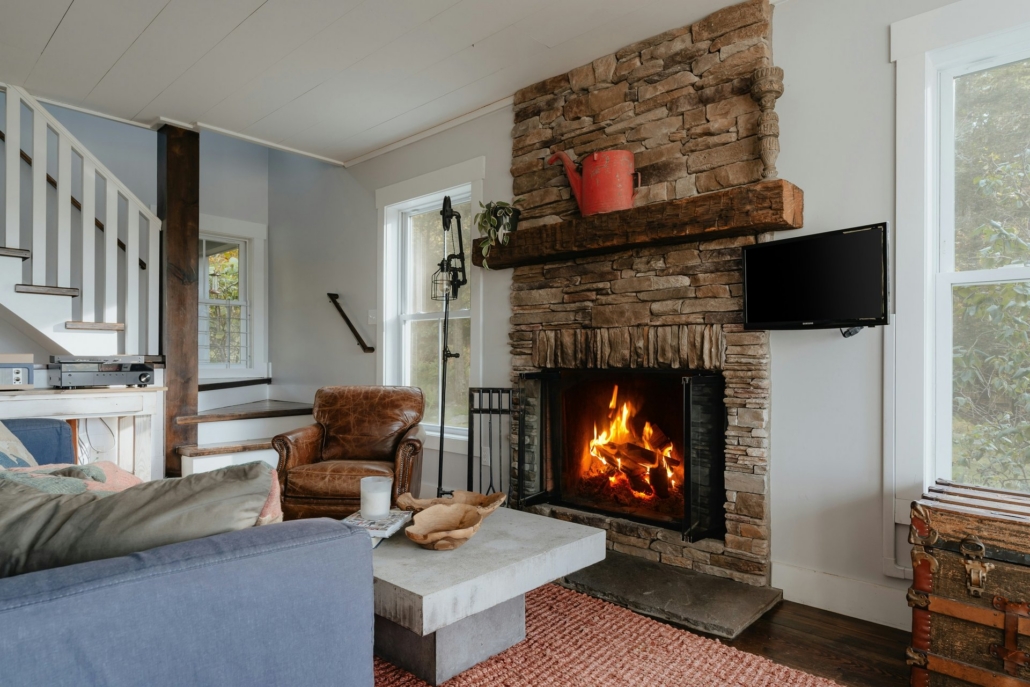
Home heating fire coverage under a Colorado homeowners policy is broader than most people expect, with a few maintenance traps that catch homeowners off guard. At Mountain Storm Insurance, we recommend reviewing this coverage in October, when Fire Prevention Month lines up with the first fire of the season. The national numbers explain why. According to the National Fire Protection Association (NFPA), U.S. fire departments responded to an average of 37,365 home heating fires a year from 2020 to 2024, with an average of 417 deaths and $1.2 billion in property damage annually, and 46% of those fires happened in December, January, and February.
Below are six common myths about heating fires and insurance, and the facts that replace them.
Myth 1: “If I Caused the Fire, My Insurance Won’t Pay”
Fact: Fire is a core peril on a standard homeowners policy, and accidental fires you started are included. A space heater placed too close to a curtain or a forgotten flue is exactly the kind of mistake homeowners insurance exists for. Fires set intentionally by an insured person are not covered.
A covered heating fire typically triggers several coverages at once:
- Dwelling to repair the structure
- Personal property for belongings
- Additional living expenses (ALE) while you live elsewhere
- Other structures if fire spreads to a detached garage or shed
Myth 2: “Space Heater Fires Aren’t Covered”
Fact: Does homeowners insurance cover space heater fires? Generally, yes. The ignition source of an accidental fire doesn’t usually change coverage. Space heaters do account for a disproportionate share of heating fire deaths, so the real issue is safety: keep them three feet from anything that burns, plug them directly into the wall, and turn them off when you leave the room.
Myth 3: “A Chimney Fire Claim Is Automatic”
Fact: A sudden chimney fire is usually covered, but chimney fire insurance claims are where maintenance questions surface most often.
The Messy Middle: Fire Damage or Long-Term Wear?
After a chimney fire, an adjuster may examine whether a cracked flue liner or deteriorated masonry was caused by the fire or existed before it. Homeowners policies typically exclude wear, tear, and neglect, so years of creosote buildup or a liner that was already failing can turn part of the claim into a dispute. The resolution is paperwork you create before any fire: annual chimney inspection and cleaning receipts, furnace service records, and permits or inspection reports for wood and pellet stoves. Photos of your heating equipment in good condition help, too.
Myth 4: “Smoke Damage Only Counts if There Are Flames”
Fact: Sudden and accidental smoke damage is generally covered even when fire never leaves the fireplace or furnace. A furnace puffback can coat walls and belongings in soot with no visible flames. Fireplace smoke damage that builds up gradually from normal use or poor maintenance usually isn’t covered.
Pro-Tip: After a smoke event, ventilate the home and leave soot alone until an adjuster or restoration professional sees it. Scrubbing soot with the wrong method can set stains permanently and complicate the claim.
Myth 5: “I Don’t Need to Tell My Insurer About a Wood Stove”
Fact: Many insurers ask about wood stoves, pellet stoves, and other solid-fuel heaters on the application. Some require professional installation or an inspection, and a few surcharge or decline certain setups. An undisclosed wood stove can create problems at claim time. Wood stove insurance in Colorado is usually straightforward to arrange when the stove is installed to code and disclosed.
Myth 6: “My Limits Were Fine When I Bought the House”
Fact: Rebuilding costs have climbed in recent years, and a dwelling limit set at purchase may now fall short. Check three numbers before winter:
| Coverage | The question to ask |
|---|---|
| Dwelling | Is it close to today’s cost to rebuild, not what you paid? |
| Personal property | Could you replace everything at current prices? |
| Additional living expenses | Would it cover several months of rent nearby? |
The Bottom Line: if a fire causes $400,000 of damage to a home insured for $300,000, the homeowner may be responsible for the $100,000 gap unless the policy includes extended replacement cost.
Decision Matrix: Prepare Your Home and Policy
- If you burn wood more than occasionally, then schedule a chimney inspection and cleaning every year and keep the receipt.
- If you added a stove or insert, then tell your agent and keep the installation paperwork.
- If you use space heaters, then keep a three-foot clear zone and test smoke and CO alarms on every level.
- If your dwelling limit hasn’t been reviewed in two years, then ask for a replacement cost estimate.
Getting ready for cold weather in general? Our home winterization tips cover pipes, roofs and other freeze risks.
After a Heating Fire, Follow Five Steps
- Get everyone out and call 911.
- Report the claim and ask about emergency board-up services.
- Photograph all damage before cleanup.
- Keep receipts for hotels, meals, and other extra costs.
- Keep damaged items until the adjuster documents them.
Our guide to filing a homeowners claim walks through the process.
Confirm Your Fire Coverage Before the First Cold Snap
We review dwelling and personal property limits and compare carriers to fit your home and heating setup. Explore our Colorado homeowners insurance coverage, request a quote, or contact our team.
Heating Fire Insurance FAQ
Does homeowners insurance cover damage to the fireplace itself?
Damage from a covered fire or other sudden event is usually covered. Cracks and deterioration from wear generally aren’t.
Are renters covered for heating fires?
Renters insurance typically covers a tenant’s belongings and extra living costs after a covered fire, while the landlord insures the building. See our renters insurance guide.
Will a heating fire claim raise my premium?
It may. Fire claims are often large, and insurers consider claim history at renewal.
About the Author
Mountain Storm Insurance is an independently owned agency headquartered in Highlands Ranch, Colorado, with an office in Las Vegas. Our licensed agents compare auto, home, life, and business coverage from multiple carriers for clients across Colorado. Owner and agent Jeff Douglas brings more than 35 years of experience in financial services. Meet our team.


