Business Insurance Planning for 2026: Protecting What You’ve Built

Running a business is more than a career—it’s the result of years of vision, effort, and persistence. For entrepreneurs in Highlands Ranch and across Colorado, 2026 will bring both opportunities and challenges. Market changes, inflation, and an evolving legal environment mean that small business owners must stay proactive in reviewing their protection. At MountainStorm Insurance, we work with business owners to ensure that their coverage grows alongside their operations. This guide will help you understand what to review as part of your 2026 business insurance planning so you can protect what you’ve worked so hard to build.

Why 2026 Insurance Planning Matters for Small Businesses

Small businesses in Colorado are a driving force in the economy, but they also face risks that can put years of work at stake. The U.S. Small Business Administration reports that nearly 40% of small businesses experience a property or liability claim within a 10-year period. With the cost of claims rising each year, entering 2026 with outdated or incomplete coverage could expose your company to avoidable losses.

Some of the top risks in Highlands Ranch include:

  • Severe weather: Snowstorms, hail, and high winds frequently damage property and vehicles.
  • Liability claims: Slip-and-fall injuries, product defects, or professional mistakes can quickly lead to lawsuits.
  • Cyber threats: Even small businesses are vulnerable to data breaches, phishing, and ransomware.
  • Employee risks: Workers’ compensation claims from injuries or illnesses can disrupt operations and increase costs.

Planning now ensures your insurance program reflects your business’s current size, revenue, and exposures.

Core Policies Every Business Should Review

Whether you operate a retail shop, professional service firm, or contracting business, several insurance coverages form the foundation of your protection:

  • General Liability Insurance: Covers claims of bodily injury, property damage, and advertising injury. This is essential for nearly every type of business.
  • Commercial Property Insurance: Protects buildings, equipment, and inventory from fire, theft, and weather events.
  • Business Owner’s Policy (BOP): A bundled package that combines liability and property coverage, often at a lower cost. Ideal for small to mid-sized businesses. You can explore options through the business insurance category.
  • Workers’ Compensation: Required in Colorado for businesses with employees, this covers medical costs and lost wages for workplace injuries.
  • Commercial Auto Insurance: Covers company-owned vehicles or employee use of personal vehicles for business purposes.

If your business has grown since last year, your policy limits may no longer be sufficient. For example, expanding your office space or investing in new equipment may require higher property coverage.

Specialized Coverage for 2026 Business Risks

In addition to core policies, certain industries and modern risks call for specialized protection:

  • Professional Liability (Errors & Omissions): Essential for consultants, real estate agents, financial advisors, and other professionals who provide advice or services.
  • Cyber Liability Insurance: Protects against costs related to data breaches, ransomware, and cyberattacks. As remote work and digital transactions grow, this coverage is increasingly critical.
  • Employment Practices Liability: Covers claims of wrongful termination, harassment, or discrimination.
  • Inland Marine Coverage: Protects tools, equipment, or products that move from job sites or are transported regularly.
  • Key Person Insurance: Helps replace lost revenue if a critical employee or owner passes away unexpectedly.

Reviewing these options ensures your business is not just insured for today but prepared for tomorrow’s challenges.

Planning Coverage Around Growth

Your insurance should reflect not only where your business is today but also where it’s headed in 2026. Questions to consider:

  • Have you added employees this year? Workers’ compensation needs may have changed.
  • Did your revenue grow in 2025? Liability coverage may need to increase accordingly.
  • Have you expanded your physical space or purchased new equipment? Your property policy limits should match these updates.
  • Are you offering new services that increase liability exposure? Additional coverage may be required.

Proactive planning helps ensure your protection grows with your business, rather than leaving you underinsured.

Cost Management and Risk Reduction

Insurance is a vital investment, but managing costs is important for small businesses. In 2026, premiums are expected to rise in areas such as commercial auto and liability due to inflation and increased claims. Strategies to control costs include:

  • Bundling Policies: A business owner’s policy or package plan may save money compared to purchasing coverage separately.
  • Risk Management Programs: Implementing safety training, cybersecurity protocols, and HR policies can reduce claims.
  • Raising Deductibles: Higher deductibles can lower premiums, though it’s important to balance savings with financial readiness.
  • Annual Policy Reviews: Regular checkups with your insurance advisor ensure your coverage and costs remain aligned with your business’s situation.

FAQs: Business Insurance for 2026

How often should I review my business insurance policies?

At least once a year, and anytime your business adds employees, expands services, or acquires new assets.

Is cyber insurance necessary for small businesses?

Yes. Nearly half of cyberattacks target small businesses, and recovery costs can be devastating without proper coverage.

What’s the difference between general liability and professional liability?

General liability covers bodily injury or property damage. Professional liability covers errors, omissions, or negligence in the services you provide.

Can insurance help with business interruption after a disaster?

Yes. Business interruption coverage, often part of a BOP, reimburses lost income and operating expenses if your business is temporarily shut down due to a covered event. Many businesses benefit from understanding business flood insurance in this context.

What if I run my business from home?

Standard homeowners’ insurance may not cover business equipment or liability. A home-based business endorsement or separate policy may be needed.

Standard homeowners’ insurance may not cover business equipment or liability. A home-based business endorsement or separate policy may be needed.

Starting 2026 With Confidence

Your business is more than just a livelihood—it’s something you’ve built with dedication and hard work. Protecting it with the right insurance ensures that no matter what challenges arise, you’re prepared. As 2026 approaches, take time to review your policies, update your coverage, and explore new protections for emerging risks.

Connect with MountainStorm Insurance today to schedule a business insurance review. Our local advisors in Highlands Ranch will help you build a plan that protects your business and supports your growth in the year ahead.


How to Insure Holiday Gifts and High-Value Purchases

The holiday season brings joy, generosity, and often, expensive new purchases. From sparkling jewelry and the latest electronics to designer handbags and collectibles, these gifts can quickly become some of your family’s most treasured possessions. But many Highlands Ranch homeowners don’t realize that their standard insurance policy may not fully protect high-value items. At MountainStorm Insurance, we often hear from families after the holidays who want to know how to keep their new gifts safe. The good news? Options like scheduled personal property coverage make it simple to insure jewelry, electronics, and other valuables so they’re protected year-round.

Why Standard Homeowners Insurance May Not Be Enough

Homeowners insurance provides broad protection for personal property, but it comes with coverage limits and special exclusions. For example:

  • Jewelry: Many policies cap coverage for jewelry at around $1,500–$2,500 per item, which may not cover a new engagement ring or luxury watch.
  • Electronics: Standard coverage may not fully replace high-end gaming systems, laptops, or home theater equipment.
  • Collectibles: Artwork, sports memorabilia, and antiques often require separate appraisals to determine insurable value.

Without proper coverage, replacing or repairing these items after theft, loss, or damage could fall largely on you.

How Scheduled Personal Property Coverage Works

Scheduled personal property coverage—sometimes called a “rider” or “endorsement”—is an add-on to your homeowners or renters insurance policy that provides extra protection for valuable items.

Here’s how it helps:

  • Broader Coverage: Scheduled items are protected against risks not always included in standard policies, such as mysterious disappearance or accidental loss.
  • Higher Limits: Coverage reflects the appraised or documented value of the item, ensuring full replacement if it’s lost, stolen, or damaged.
  • Lower or No Deductible: Many policies allow you to schedule items with no deductible, so you won’t pay out-of-pocket if something happens.

This means that whether it’s a diamond necklace, a drone, or a fine art piece, you’ll know exactly what protection you have in place.

What Types of Holiday Purchases Should Be Scheduled?

Not every item needs additional coverage, but certain high-value or easily stolen gifts should be considered:

  • Jewelry: Rings, watches, bracelets, or heirloom pieces.
  • Electronics: Laptops, smartphones, gaming consoles, or home theater systems.
  • Musical Instruments: Guitars, pianos, or other professional-grade instruments.
  • Luxury Accessories: Designer handbags, coats, or shoes.
  • Sports Equipment: High-end bicycles, skis, or golf clubs.
  • Art and Collectibles: Paintings, sculptures, memorabilia, or antiques.

If you’re unsure whether an item qualifies, your insurance advisor can review your policy and explain where gaps may exist.

Steps to Insure Holiday Gifts Properly

Protecting high-value holiday purchases is straightforward if you take the right steps:

  1. Keep Receipts and Documentation: Save receipts, appraisals, or certificates of authenticity for proof of value.
  2. Take Photos: Document the item’s appearance and condition for claims purposes.
  3. Contact Your Insurance Provider: Let your agent know about new purchases so they can recommend coverage options.
  4. Schedule Items Quickly: Don’t wait until something happens—coverage starts once the item is added to your policy.
  5. Review Annually: Values can change, so update your scheduled property list each year.

At MountainStorm Insurance, we often help families add items right after the holidays to ensure nothing slips through the cracks.

FAQs: Insuring Holiday Gifts and Valuables

Do I need scheduled coverage for all holiday gifts?

Not usually. Everyday items like clothing, toys, or kitchen gadgets are adequately covered under your standard homeowners policy. Scheduling is best for high-value or unique items.

Is accidental loss really covered?

Yes. One major benefit of scheduled coverage is protection against risks like losing a ring down the drain or misplacing an expensive watch.

Do scheduled items affect my premiums?

Yes, but usually only slightly. Premiums are based on the item’s value, and the peace of mind is often well worth the small increase.

What if I receive a gift but don’t know its value?

You may need an appraisal, especially for jewelry, artwork, or collectibles. Your insurer can guide you through this process.

Can scheduled coverage apply to items outside my home?

Yes. Scheduled items are usually covered worldwide, so jewelry or electronics are protected even when you travel.

Peace of Mind for the Holidays and Beyond

The holidays should be about joy, not worry. Taking the time to insure valuable gifts ensures that your family’s new treasures are protected against life’s unexpected turns. Whether it’s a sparkling engagement ring, a state-of-the-art laptop, or a piece of art that carries sentimental value, scheduling high-value property gives you the confidence to enjoy these items without concern.

Contact MountainStorm Insurance today to learn how scheduled personal property coverage can protect your holiday gifts and valuable purchases. Our team will walk you through the process and ensure your coverage reflects your family’s needs.

Medicare & Supplemental Insurance: A Retiree’s Guide in 2025

Navigating health insurance during retirement can feel overwhelming. Between understanding what Medicare covers, recognizing its limitations, and deciding whether supplemental insurance is right for you, retirees often find themselves asking the same question: Am I truly protected? At MountainStorm Insurance, we work with retirees across Colorado to simplify the process and ensure they have the coverage needed for peace of mind. This guide offers a clear overview of Medicare and supplemental insurance options in 2025, with a focus on what retirees in Colorado should know as they make important health and financial decisions.

1. Understanding the Basics of Medicare

Medicare is the federal health insurance program primarily designed for people aged 65 and older, though younger individuals with certain disabilities or medical conditions may also qualify. Medicare is divided into four main parts, each covering different services:

  • Part A (Hospital Insurance): Covers inpatient hospital stays, skilled nursing facility care, hospice, and some home health services. For most retirees, Part A has no premium if they or their spouse paid Medicare taxes while working.
  • Part B (Medical Insurance): Covers doctor visits, outpatient care, preventive services, and medical supplies. Part B requires a monthly premium, which may vary based on income.
  • Part C (Medicare Advantage Plans): Private insurance plans approved by Medicare that combine Parts A and B, often including prescription drug coverage (Part D) and additional benefits like dental, vision, or fitness programs.
  • Part D (Prescription Drug Coverage): Stand-alone plans that help cover the cost of prescription medications.

While Medicare offers broad protection, it doesn’t cover everything. Deductibles, copays, coinsurance, and certain services like dental or long-term care are often left up to retirees to manage.

2. Why Supplemental Insurance Matters

Even with Medicare, out-of-pocket expenses can add up quickly. For retirees on fixed incomes, unexpected costs can create financial stress. That’s where Medigap, or supplemental insurance, comes in.

Medigap policies are private insurance plans designed to fill the “gaps” in Original Medicare coverage. These plans help pay for expenses like deductibles, copayments, and coinsurance. In 2025, the most popular Medigap options in Colorado continue to be Plans G and N, which balance affordability with comprehensive coverage.

For example:

  • Plan G covers nearly all out-of-pocket costs after you pay the Part B deductible.
  • Plan N offers lower premiums but requires small copays for certain doctor visits and emergency room visits.

Supplemental insurance provides predictability in health care costs, which is especially valuable for retirees living on a fixed budget.

3. Medicare Advantage vs. Medigap: Key Differences

Choosing between a Medicare Advantage plan and a Medigap plan is one of the most important decisions retirees face. Here’s a side-by-side look at the differences:

  • Medicare Advantage (Part C)
    • Combines hospital, medical, and often drug coverage.
    • May include extra benefits like dental or vision.
    • Typically has lower monthly premiums but uses provider networks (HMO or PPO).
    • Out-of-pocket costs vary depending on service use.
  • Medigap (Supplemental Insurance)
    • Works alongside Original Medicare (Parts A and B).
    • Offers nationwide coverage without network restrictions.
    • Higher premiums than many Advantage plans, but fewer surprise costs.
    • Does not include prescription drug coverage—you’ll need a separate Part D plan.

Your choice depends on personal health needs, budget, and lifestyle. For example, retirees who travel frequently often prefer Medigap due to its flexibility with providers across the country.

4. Colorado-Specific Considerations for Retirees in 2025

Colorado retirees face unique factors when evaluating insurance options:

  • Healthcare Access: Urban areas like Denver, Highlands Ranch, and Colorado Springs offer more Medicare Advantage plan choices, while rural areas may have fewer network options.
  • Cost of Living: With rising housing and healthcare costs, predictability in medical expenses is critical. Medigap plans, while higher in premiums, can provide financial stability.
  • Prescription Drug Costs: Colorado has been part of nationwide efforts to lower prescription costs, but retirees should still review Part D plans annually to ensure their medications are covered affordably.
  • Wellness Programs: Many Medicare Advantage plans in Colorado include fitness memberships or wellness benefits that support active retiree lifestyles.

5. FAQs: Medicare and Supplemental Insurance in 2025

Do I need supplemental insurance if I have Medicare?

Yes, in most cases. Medicare leaves gaps in coverage, and supplemental insurance helps protect against high out-of-pocket costs.

When can I enroll in a Medigap plan?

The best time is during your six-month Medigap Open Enrollment Period, which begins the month you turn 65 and enroll in Part B. After this window, acceptance may depend on medical underwriting.

Are prescription drugs covered by Medigap?

No. To cover prescriptions, you’ll need to enroll in a separate Medicare Part D plan or choose a Medicare Advantage plan that includes drug coverage.

How often should I review my coverage?

Every year. Costs, benefits, and your health needs change. Reviewing your plan annually ensures you’re getting the most value.

What if I split time between Colorado and another state?

Medigap may be a better option since it allows you to see any doctor nationwide who accepts Medicare.

Do I need supplemental insurance if I have Medicare?

When can I enroll in a Medigap plan?

How often should I review my coverage?

What if I split time between Colorado and another state?

Planning for Peace of Mind

Understanding Medicare and supplemental insurance doesn’t have to be overwhelming. With the right guidance, retirees can confidently choose coverage that fits their health needs, lifestyle, and budget. The most important step is not waiting until a health emergency forces you to rethink your plan.

Reach out to MountainStorm Insurance today. Our experienced team will walk you through Medicare and supplemental insurance options in Colorado, helping you build a plan that provides financial security and peace of mind in retirement.

How to Winterize Your Home: Insurance Tips for Highlands Ranch Homeowners

When the first snow begins to dust the Front Range, many homeowners in Highlands Ranch know it’s time to prepare for the winter season. Cold temperatures, heavy snow, and icy conditions can cause costly damage if your property isn’t ready. At MountainStorm Insurance, we see the same preventable claims year after year—frozen pipes, roof leaks, and accidents caused by slick walkways. The good news is that with careful preparation, you can reduce risks and ensure your homeowners’ insurance policy is working for you when you need it most.

Winter in Highlands Ranch is both beautiful and challenging. Located just south of Denver, the area typically experiences snow accumulation, ice storms, and occasional high winds from November through March. With average lows in the 20s and periodic drops into the teens, homes in this region need extra protection against the cold. This article explains why winter preparation matters, what steps to take, and how to review your insurance coverage to make sure you’re fully protected.

1. Why Winter Preparation Matters in Highlands Ranch

Highlands Ranch experiences cold, snowy winters that put homes under stress. The Insurance Information Institute notes that water damage and freezing are the second most common causes of homeowners’ insurance claims, with the average claim exceeding $11,000. These issues can strike quickly, leaving families with expensive repairs and temporary housing needs.

In our region, the risks are specific:

  • Frozen Pipes: Exposed pipes in basements, garages, or exterior walls can freeze and burst, releasing gallons of water in minutes.
  • Ice Dams: When warm air escapes from the attic, snow melts on the roof, refreezes near the gutters, and causes water to back up under shingles.
  • Slip-and-Fall Accidents: Driveways and sidewalks become hazardous in icy conditions, leaving homeowners liable for injuries.
  • Wind and Snow Loads: Winter storms can loosen shingles, topple tree branches, or cause roof collapses if snow builds up.

These hazards make winter preparation a must, not just for peace of mind, but also to avoid costly insurance claims that could have been prevented.

2. Home Winterization Checklist

Preparing your home for winter involves both simple DIY steps and professional inspections. Here’s a comprehensive checklist to help homeowners in Highlands Ranch reduce their risks:

Protect Your Plumbing

  • Insulate exposed pipes in unheated areas such as basements, crawlspaces, and garages.
  • Allow faucets to drip during extreme cold to keep water moving.
  • Shut off and drain outdoor hose bibs before the first freeze.

Maintain Heating Systems

  • Schedule a professional HVAC inspection.
  • Replace furnace filters every 1–3 months.
  • Consider installing a smart thermostat to maintain steady temperatures when you’re away.

Inspect and Protect the Roof

  • Check shingles, flashing, and chimney seals for wear.
  • Clear leaves and debris from gutters to prevent ice dams.
  • Install gutter guards or heating cables if ice buildup has been a problem in past winters.

Seal Air Leaks

  • Use caulk or weatherstripping around windows and doors.
  • Add insulation to attics and crawlspaces for better efficiency.

Outdoor Preparation

  • Trim overhanging tree branches to prevent damage from heavy snow.
  • Store outdoor furniture or secure it against high winds.
  • Keep snow shovels, sand, and ice melt easily accessible.

Fire and Carbon Monoxide Safety

  • Test smoke and CO detectors monthly.
  • Clean fireplace chimneys before the heating season.
  • Keep fire extinguishers in accessible locations.

Following these steps not only reduces the chance of an emergency but also demonstrates responsible homeownership to your insurer.

3. Insurance Coverage to Review Before Winter

While preparing your home helps minimize risks, having the right insurance coverage ensures you’re protected if damage occurs. Highlands Ranch homeowners should review the following areas before winter arrives:

  • Dwelling Coverage: Confirm your coverage matches current rebuilding costs in Colorado’s housing market, which has risen significantly in recent years.
  • Water Damage Protection: Standard policies cover sudden bursts but may exclude gradual leaks or seepage. Consider endorsements for expanded coverage.
  • Roof Coverage: Some policies calculate payouts based on roof age. Verify whether your roof is covered for replacement cost or actual cash value.
  • Liability Coverage: With icy sidewalks, liability claims increase. Make sure you have enough coverage to protect against lawsuits.
  • Additional Living Expenses (ALE): If your home is uninhabitable due to storm damage, ALE coverage pays for hotels or rentals during repairs.

At MountainStorm Insurance, we often find gaps during reviews—especially for homeowners who haven’t updated their policies in years. A quick review before winter can prevent unwelcome surprises later.

4. Cost-Saving Benefits of Winter Preparation

Winterizing your home isn’t just about avoiding damage—it can also save money. Energy.gov reports that sealing leaks and adding insulation can cut heating costs by up to 20%. Clean, efficient heating systems not only save energy but also reduce the risk of fire.

By keeping up with seasonal maintenance, you may also qualify for insurance discounts. Some carriers reward proactive homeowners with lower premiums or claim-free bonuses.

5. Colorado-Specific Winter Risks

Living in Highlands Ranch means preparing for local weather events that differ from those in other parts of the country:

  • Snowmelt Flooding: Warmer days followed by rapid snowmelt can overwhelm drainage systems. Homeowners may need separate flood insurance to cover this.
  • Chinook Winds: Strong downslope winds can exceed 80 mph along the Front Range, tearing shingles and fences.
  • Hail in Shoulder Seasons: Though not strictly winter, early spring and late fall hailstorms can complicate winter prep if roofs are already weakened.

Knowing these risks allows you to tailor both your home maintenance and your insurance coverage.

6. FAQs: Winter Home Insurance in Highlands Ranch

Does homeowners’ insurance cover frozen pipes?

Yes, but only if the damage is sudden and accidental. If pipes burst due to neglect—like leaving the heat off—coverage may be denied.

What about roof damage from heavy snow?

Most policies cover snow and ice-related damage, though older roofs may receive reduced payouts. It’s wise to clarify with your insurer.

Am I liable if someone slips on my sidewalk?

Yes. Colorado law expects homeowners to maintain safe walkways. Liability insurance helps cover medical costs and legal defense if accidents occur.

Should I increase coverage limits before winter?

If you’ve remodeled, added square footage, or if building costs have risen in your area, updating your dwelling coverage is strongly recommended.

Is flood insurance included?

No. Standard homeowners’ insurance does not cover flooding. Separate flood insurance is needed for snowmelt-related flooding risks.

Does homeowners’ insurance cover frozen pipes?

What about roof damage from heavy snow?

Am I liable if someone slips on my sidewalk?

Preparing for Peace of Mind

Preparing for Colorado winters doesn’t have to feel overwhelming. With the right steps and the right insurance plan, you can protect your home, lower risks, and enjoy peace of mind even during the harshest storms. Taking action today means fewer surprises tomorrow and fewer claims that disrupt your life.

Contact MountainStorm Insurance today to schedule a homeowners policy review and learn how to safeguard your Highlands Ranch home this winter.

Wildfire Insurance Preparedness

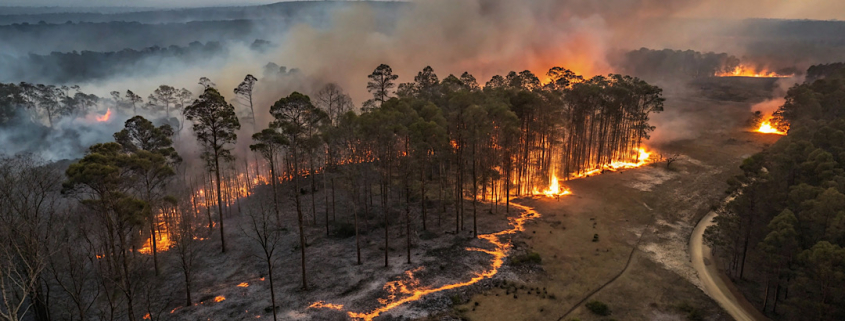
Wildfire season is an annual reality in Colorado’s Front Range, and Highlands Ranch sits squarely in the high-risk zone. At MountainStorm Insurance, we believe that preparedness isn’t just about evacuation plans—it’s also about making sure your policy and property are fortified against fire and smoke damage. These five practical steps will help you align your home, landscape, and insurance coverage so that when wildfire threats arise, you’re ready.

Step 1: Review and Update Your Insurance Policy

Start by examining your homeowners or dwelling fire policy declarations page. Look for:

  • Wildfire Coverage Limits: Confirm that both structure and detached structures (sheds, fences) have sufficient coverage.
  • Loss of Use and Additional Living Expenses (ALE): Wildfire evacuations can last days or weeks. Make sure your ALE limits cover hotel stays, meals, and storage costs.
  • Ember and Smoke Damage: Some policies exclude or cap losses from smoke infiltration or ember-driven fires. Speak with your agent to add or increase these endorsements.

Answer-Like Content: If your current dwelling coverage is $300,000 but the rebuild cost in Highlands Ranch averages closer to $350,000, consider raising your limit to avoid a shortfall in the event of total loss.

Step 2: Harden Your Home’s Exterior

Structural mitigation reduces risk—and can translate to insurance discounts. Focus on:

  • Roof and Gutters: Replace wood shakes with Class A fire-rated roofing; install gutter guards to prevent embers from igniting debris.
  • Siding and Vents: Non-combustible siding (stucco, fiber-cement) and ember-resistant vents block flying embers.
  • Decks and Fencing: Use metal or masonry supports and maintain a non-combustible zone five feet around all wooden elements.

Semantic Coverage: Colorado State Forest Service research shows “home hardening” can lower wildfire loss risk by up to 60%, so insurers often reward these upgrades with premium credits.

Step 3: Create and Maintain Defensible Space

A properly managed landscape is your first line of defense. Follow the 30-30-30 rule:

  • 30 Feet of Lean, Clean, and Green: Remove dead vegetation, trim branches six feet from the ground, and store firewood at least 30 feet from structures.
  • 30 Feet of Reduced Fuel: Thin tree canopies so neighboring crowns are at least 30 feet apart.
  • 30 Feet of Non-Combustible Zone: Use stone, gravel, or concrete patios and walkways immediately adjacent to the home.

Structured Data Best Practice: Document your defensible space work each season—take geotagged photos to demonstrate to your insurer that you’ve complied with risk mitigation recommendations.

Step 4: Develop a Wildfire Response Plan

Insurance policies require the timely mitigation of further loss after a covered event. Your plan should include:

  • Emergency Contact List: Your agent’s claims hotline, local fire department non-emergency line, and preferred local contractor.
  • Salvage and Mitigation Supplies: Tarps, fire-resistant sheeting, portable pumps, and metal buckets for removing debris.
  • Documentation Procedures: Photograph or video any pre- and post-damage conditions—date-stamped visuals strengthen your claim.

Authority Signals: “Prompt mitigation and clear documentation are critical,” says Mark Alvarez, Claims Manager at MountainStorm Insurance. “It demonstrates good faith and helps expedite your settlement.”

Step 5: Engage in Community and Agency Resources

Highlands Ranch homeowners have access to local and federal assistance programs:

  • Colorado Division of Insurance: Guides on wildfire coverage regulations and consumer protections.
  • Firewise USA® Program: Offers grants and technical support for community-scale defensible space projects.
  • FEMA Hazard Mitigation Assistance: May fund home hardening measures when declared a Federal Wildfire Disaster Area.

Entity Optimization: Use these programs to demonstrate proactive risk management—insurers reward communities that meet Firewise standards with group discounts or credits.

Ready to take the next step? Contact MountainStorm Insurance today for a comprehensive wildfire insurance review and learn how our tailored endorsements and discounts can help you protect your Highlands Ranch home.

RV Insurance Hacks

Recreational vehicle ownership in Colorado offers unparalleled freedom—from winding mountain roads to sprawling desert parks. At MountainStorm Insurance, we know that protecting your RV shouldn’t break the bank. Discover seven savvy strategies to reduce your RV insurance costs in Highlands Ranch and beyond, without sacrificing the coverage you need.

Myth-Busting Tip 1: Bundle Your Policies for Maximum Discounts

Many insurers reward customers who bundle multiple policies—home, auto, and RV—under one roof. According to the National Association of Insurance Commissioners, policyholders who bundle can save up to 20% on premiums¹. By consolidating your coverage with MountainStorm Insurance, you not only streamline bill-paying but unlock additional loyalty incentives and may qualify for reduced overall rates.

Myth-Busting Tip 2: Choose the Right Coverage Limits and Deductibles

Balancing premium savings with risk tolerance is key:

  • Liability Limits: Colorado law requires minimum liability limits on RVs, but opting for higher limits can cost only a few dollars more per month while dramatically increasing your protection.
  • Comprehensive & Collision Deductibles: Raising your deductible from $500 to $1,000 typically cuts comprehensive premiums by 10–15%². Before you adjust, ensure you have emergency funds to cover the out-of-pocket expense.
  • Agreed Value vs. Actual Cash Value: For newer, custom, or fully outfitted RVs, an agreed-value policy guarantees a set payout if totaled—often at a modest premium increase that beats depreciation surprises.

Myth-Busting Tip 3: Install Safety and Anti-Theft Devices

Insurance carriers love risk mitigation. Equipping your rig with the latest security features can translate into measurable savings:

  • GPS Trackers & LoJack: Theft recovery systems reduce lost-vehicle payouts, earning you up to a 10% discount³.
  • Brake Controllers & Anti-Sway Bars: Enhanced towing safety devices lower the chance of collision or jackknife incidents, potentially trimming collision premiums by 5–8%.
  • Smoke & Carbon Monoxide Detectors: A simple yet often overlooked upgrade; many providers offer small discounts for RVs with professionally installed alarms.

Myth-Busting Tip 4: Maintain a Clean Driving Record

Your personal driving history directly impacts your RV insurance costs. According to the Insurance Information Institute, drivers with no at-fault accidents or violations save as much as 25% over riskier counterparts⁴. To preserve your “good driver” status:

  • Enroll in a state-approved defensive driving course.
  • Adhere to speed limits—especially important on Colorado’s mountain passes.
  • Keep detailed logs if you share driving duties to ensure accurate risk assessment.

Myth-Busting Tip 5: Limit Your Mileage Where Possible

Some insurers offer “low-mileage” discounts for RVs driven fewer than 6,000 miles per year. If your trips are seasonally confined or you rent out your RV, tracking odometer readings and mileage logs can qualify you for reduced rates. This pay-as-you-drive model aligns cost with actual usage, ensuring you aren’t overpaying during months of stationary storage.

Myth-Busting Tip 6: Winterize and Store Properly

Colorado winters can wreak havoc on plumbing and appliances if your RV isn’t properly winterized. Policies sometimes include a storage endorsement discount—up to 7%—for rigs stored in climate-controlled facilities or covered storage lots between October and April. Proper winterization (draining water lines, adding antifreeze) also lowers the likelihood of freeze claims, keeping your loss history clean.

Myth-Busting Tip 7: Shop Annually and Negotiate

Insurance markets fluctuate. By comparing quotes each year, you leverage competitive pressure to earn better deals. When renewing with MountainStorm Insurance, ask about:

  • Loyalty Credits: Long-standing customers may qualify for retention bonuses.
  • Usage Changes: If your RV usage drops (for example, fewer cross-country trips), request a mileage-based adjustment.
  • Multi-Unit Discounts: Own more than one RV or tow vehicle? Combining them could unlock additional savings.

Ready to optimize your RV insurance and save? Reach out to MountainStorm Insurance for a customized quote that fits both your adventure plans and your budget.

Storm Insurance Myths Debunked: What Highlands Ranch Homeowners Really Need

When severe weather strikes in Highlands Ranch, having the right storm insurance can mean the difference between a smooth recovery and a financial headache. At MountainStorm Insurance, we understand the unique risks Colorado homeowners face—from hail-laden cloudbursts to sudden windstorms—and we’re here to help you separate fact from fiction. Below, we debunk the top misconceptions about storm coverage so you can make informed decisions and safeguard your home.

Myth 1: Standard Homeowners Insurance Covers All Storm Damage

It’s a common assumption that the “homeowners” label means every peril is included, but most basic policies exclude specific storm-related losses or impose sublimits on them. For example:

  • Hail and Wind Exclusions: In many parts of Colorado, insurers apply a wind/hail deductible separate from the standard deductible. That means if a hailstorm damages your siding, roof, or windows, you may owe a percentage of your home’s insured value before coverage kicks in.
  • Flood vs. Storm: Flood damage—whether caused by overflowing rivers or heavy rain pooling at your foundation—is generally not covered under a standard policy. A separate National Flood Insurance Program (NFIP) policy is required.
  • Debris Removal and Additional Living Expense Limits: Storms often leave debris scattered across your yard. While some policies include debris removal, limits vary. Likewise, if your home becomes uninhabitable, additional living expenses (ALE) coverage will pay for temporary lodging, but only up to a policy maximum.

Answer-Like Content: Always check your declarations page for wind/hail deductibles, flood exclusions, and ALE limits so you’re not blindsided after filing a claim.

Myth 2: You Don’t Need Separate Windstorm Coverage in Highlands Ranch

Contrary to popular belief, the Denver metro area—including Highlands Ranch—experiences frequent microbursts and hailstorms. Insurers in high-risk zones sometimes require a Windstorm and Hail endorsement:

  • Geographic Risk Factors: Proximity to the Front Range and seasonal hail trends elevate hail risk in Highlands Ranch compared to other regions.
  • Endorsement vs. Exclusion: Some companies automatically exclude windstorm damage unless you purchase an endorsement; others include it but with higher deductibles.
  • Premium Impact: While adding windstorm coverage raises your premium slightly, it can save tens of thousands when roof replacement or structural repairs become necessary.

Semantic Coverage: Understand the local storm patterns—hail season peaks between May and August—and discuss endorsement options with your agent.

Myth 3: A Higher Deductible Always Saves You Money

Opting for a 5% or 10% deductible instead of a flat $1,000 may seem like an easy way to reduce premiums, but there’s more to consider:

  • Percentage vs. Fixed Deductibles: A 1% wind/hail deductible on a $500,000 home equals a $5,000 out-of-pocket obligation—far more than you might anticipate.
  • Frequency of Small Claims: If you file multiple small claims (e.g., minor roof dents from hail), you’ll pay the deductible each time. Over five years, that might exceed the premium savings.
  • Long-Term Premium Stability: Insurers view frequent claims as a sign of riskier exposure, leading to non-renewals or rate hikes. Rather than filing for minor damage, consider paying out-of-pocket when repairs fall below your deductible threshold.

Structured Data: Keep a simple claims spreadsheet—date, damage type, repair cost estimate—to decide whether a claim or cash payment makes sense.

Myth 4: Every Storm Claim Raises Your Premium Significantly

While it’s true that claims activity factors into underwriting, the impact isn’t always as severe as you might think:

  • Claim Severity Matters: Large claims that exceed certain thresholds trigger more scrutiny than small claims. A $2,000 siding repair is less likely to cause a rate hike than a $50,000 roof replacement.
  • Loss Control Discounts: Completing recommended risk-mitigation measures—like installing impact-resistant roofing or reinforced garage doors—often earns you discounts that offset any claim-related premium increases.
  • Multi-Policy Loyalty: Bundling your home and auto policies with MountainStorm Insurance can lock in loyalty credits that further dampen post-claim premium adjustments.

Authority Signals: “Insurers typically review claims history over a three- to five-year window,” says Jane Roberts, Senior Underwriter at MountainStorm Insurance. “Proactive risk management can even out the balance.”

Frequently Asked Questions

  • Q: Does roof age affect storm coverage?
    A: Yes—older roofs often face stricter depreciation rules. A roof older than 15 years may receive only actual cash value rather than replacement cost.
  • Q: Can I add hail guards to my policy?
    A: Many carriers offer specific hail guard endorsements for vents, skylights, and exposed piping. These can reduce your out-of-pocket expenses after a hailstorm.
  • Q: What steps should I take after storm damage?
  • Document the damage with photos and notes.
  • Mitigate further loss (e.g., tarping a damaged roof).
  • Contact MountainStorm Insurance to start a claim.
  • Obtain at least two repair estimates before scheduling work.

Entity Optimization & Next Steps

Your home is your sanctuary—and understanding these storm insurance myths ensures you’re truly covered. From wind/hail endorsements to flood policies, the right mix of coverage, deductible choices, and loss-mitigation measures protects both your property and your peace of mind.

Ready to customize your storm coverage? Reach out to MountainStorm Insurance today for a personalized review of your policy and explore available discounts. Let’s weather every storm with confidence.

How to Insure Your Green Home in Highlands Ranch

Eco-conscious living isn’t just a trend in Highlands Ranch—it’s a lifestyle that reflects the community’s commitment to sustainability, innovation, and long-term environmental responsibility. From solar panels to energy-efficient HVAC systems, many homeowners in this vibrant Colorado suburb are choosing to invest in green technologies to reduce their carbon footprint and lower long-term energy costs. However, when it comes to insurance, these upgrades often require special considerations.

At MountainStorm Insurance, we believe that protecting your environmentally friendly home should be as seamless and thoughtful as the choices you made to build it. Whether you’re planning a solar installation or already living in a high-performance home, this guide will help you understand how to insure your green home in Highlands Ranch the right way.

Why Green Homes Need Specialized Insurance Coverage

Green homes often incorporate materials and technologies that differ from conventional building practices. Solar power systems, ENERGY STAR appliances, geothermal heating, green roofs, and rainwater harvesting setups all carry unique costs and risks that standard homeowners’ insurance policies may not fully cover.

According to the National Association of Insurance Commissioners (NAIC), many green upgrades are either underinsured or excluded altogether unless you work with a provider who offers eco-specific endorsements or riders.

Why specialized green home insurance matters:

  • Solar panels may not be included under your standard dwelling or personal property limits.
  • Replacement costs for sustainable materials can exceed traditional coverage caps.
  • Eco-friendly systems require coverage for mechanical failure and electrical surges.
  • Rebates, incentives, or certifications (such as LEED) can impact how your home is valued after a loss.

With Highlands Ranch increasingly becoming a hub for sustainable development, protecting these investments isn’t just smart—it’s necessary.

What Green Home Insurance Should Include

If your home has been built or retrofitted with eco-conscious technologies, you’ll want to confirm that your homeowners’ insurance covers both the value and function of your upgrades. Not all policies are created equal, especially when it comes to environmentally forward features.

Key coverage areas to include in your policy:

  • Solar Panel Insurance: Should include both roof-mounted and ground-mounted systems, covering physical damage from hail, wind, theft, and fire.
  • Equipment Breakdown Coverage: Protects systems like solar inverters, tankless water heaters, and geothermal units from sudden mechanical failure.
  • Green Rebuilding Coverage: Offers replacement of damaged materials with sustainable or ENERGY STAR-rated alternatives.
  • Roof and Insulation Upgrades: Coverage for eco-friendly roofing (metal, recycled materials) and advanced insulation, which can be more costly to replace.
  • Home Certification Endorsements: Some insurers offer additional value if your home is LEED-certified or meets ENERGY STAR or Green Globes standards.

At MountainStorm Insurance, we work closely with Highlands Ranch homeowners to evaluate these needs and ensure your policy reflects the full value of your sustainability choices.

How to Lower Premiums with Eco-Friendly Features

In addition to protecting your green investment, energy-efficient upgrades may also qualify you for discounts on your home insurance. Many insurers offer incentives for homes that reduce environmental risk or improve safety through modern technology.

Common upgrades that could lead to premium savings:

  • Solar-powered backup batteries or grid-tying systems
  • Smart thermostats and automated climate control
  • Reinforced, hail-resistant roofing materials
  • Advanced fire and water leak detection systems
  • Wind-resistant windows and sealed building envelopes

Why insurers offer these savings:

  • Reduced risk of claims due to smarter infrastructure
  • Lower chances of water or fire damage
  • Greater building durability in Colorado’s variable climate
  • Decreased reliance on high-risk systems like gas heating

MountainStorm Insurance offers premium evaluations specifically designed to highlight these features, so you’re not only paying less but also getting recognized for your commitment to sustainability.

Insuring Solar Panels: What You Need to Know

Solar panels are among the most popular upgrades for green homes in Highlands Ranch. But whether they’re leased or owned, the way they are insured matters. In many cases, homeowners believe their solar panels are automatically covered under their home’s dwelling coverage, but that’s not always true.

Key factors that affect your solar panel insurance:

  • Location: Roof-mounted systems are typically part of your dwelling. Ground-mounted systems may be considered separate structures.
  • Ownership Status: Owned panels are your responsibility to insure. Leased panels may be covered by the leasing company, but you should confirm this in writing.
  • Weather Risks: Colorado’s unpredictable hailstorms can damage panels, making wind and hail coverage essential.
  • Installation Errors: Only some policies cover faulty installation or product defects—ask if yours does.

Protective measures that can help:

  • Schedule a policy review after installation to adjust dwelling limits
  • Ensure electrical systems are updated to handle added loads
  • Document and photograph the system for future claims

At MountainStorm, we include solar panel insurance as part of our sustainable home coverage packages and help clients understand every aspect of this critical investment.

Bundling Green Coverage with Other Policies

Eco-minded homeowners often make green choices beyond their homes. If you drive an electric vehicle or own a hybrid, you might also benefit from bundling your home and auto insurance policies to save even more.

Benefits of bundling insurance for sustainable lifestyles:

  • Discounts for bundling green home and eco-auto coverage
  • Easier claims management for electric vehicle chargers and solar battery backups
  • Streamlined policy updates when adding more green tech
  • Greater premium savings with local expertise from MountainStorm Insurance

Other green-friendly assets that may be bundled:

  • Solar-powered RVs or campers
  • E-bike or electric motorcycle insurance
  • Renters’ insurance for smart apartments with energy-efficient systems

In Highlands Ranch, bundling not only saves time and money but it also helps support a more integrated approach to sustainability.

Your green home deserves insurance that’s as forward-thinking as you are. Reach out to MountainStorm Insurance today to schedule a coverage review or request a free quote. Our local agents are here to protect your sustainable investments with flexible, eco-focused solutions that grow with your lifestyle and values.

Business Flood Insurance

For Colorado business owners, protecting your property from the unexpected is essential to long-term success. While wildfires and snowstorms often grab headlines, flooding remains one of the most overlooked risks. Many commercial property insurance policies do not include flood coverage, which can leave your business financially exposed.

At MountainStorm Insurance, our goal is to help Colorado businesses clearly understand their flood risk and secure the protection they need. Whether you operate a retail shop, manage an office, or lease a small warehouse, knowing your options for business flood coverage is key.

Why Flood Insurance Matters for Colorado Businesses

Flooding can occur almost anywhere, not just in coastal areas. Colorado is particularly vulnerable to:

  • Flash floods from sudden heavy rainfall
  • Rapid snowmelt in spring
  • Overflowing streams and creeks
  • Poor drainage during seasonal storms

Even a small amount of water can lead to significant losses. According to FEMA, just one inch of floodwater can cause more than $25,000 in damage. Without proper insurance, those repair and replacement costs may come entirely out of pocket.

What Does Commercial Flood Insurance Typically Cover?

Business flood insurance helps protect against damage directly caused by rising water from outside your property. It often includes:

  • Structural damage to your building
  • Electrical, plumbing, and HVAC systems
  • Business equipment, inventory, and furnishings
  • Debris removal and cleanup costs

However, it’s important to note that flood insurance does not cover damage from interior plumbing failures or roof leaks—those situations usually fall under your general property insurance.

Who Should Consider Flood Coverage?

Flood insurance isn’t just for businesses in designated high-risk zones. In fact, a large number of claims come from moderate-to-low-risk areas. You should strongly consider flood insurance if:

  • Your property is near rivers, creeks, or other bodies of water
  • You operate in flood-prone areas, including parts of the Front Range and mountain valleys
  • Your business is located on a ground floor or basement level
  • Your lease makes you responsible for insuring your inventory and equipment

Flood Insurance for Your Business

Commercial flood coverage is available through two main channels:

FEMA’s National Flood Insurance Program (NFIP)The NFIP offers policies for building and contents coverage, with standardized limits. It’s a widely accessible option for basic protection.
Private Insurance Options Private insurers may offer flexible coverage, including higher limits and additional protections such as business interruption coverage.

When Should You Secure Coverage?

Flood insurance typically has a 30-day waiting period before it becomes active. That means you can’t wait until a major storm is forecasted. The best time to add flood coverage is before the rainy season or any high-risk periods.

Frequently Asked Questions: Business Flood Insurance in Colorado

Does my commercial property insurance cover flooding?

No. Most property insurance policies specifically exclude flood damage. A separate flood insurance policy is required.

Is flood insurance mandatory for businesses?

Only if your business is in a high-risk flood zone and has a federally backed mortgage. However, it is highly recommended for many others outside of those zones as well.

How much does flood insurance cost for a small business?

Costs vary depending on location, elevation, building features, and desired coverage limits. On average, policies range from several hundred to a few thousand dollars per year.

Can tenants or renters purchase flood insurance?

Yes. Business owners who lease commercial space can purchase a policy to protect their equipment, inventory, and any tenant improvements.

What’s the difference between federal and private flood insurance?

NFIP policies are government-backed with fixed terms, while private carriers may offer more customized plans, faster processing, and optional add-ons.

Flooding can happen when you least expect it—and the cost of recovery without coverage can be devastating. Having the right protection in place can make all the difference.

Connect with a local expert at MountainStorm Insurance to evaluate your flood risk and find a policy that aligns with your business needs. Our team is here to guide you through the process and ensure your Colorado business is protected with confidence and clarity.

Whether you’re looking to supplement your current coverage or explore options for the first time, we’re ready to help—reach out today to get started.

A First-Time Buyer’s Guide to Homeowners Insurance in Colorado

Buying your first home is a major milestone, and with it comes the responsibility of protecting what may be your biggest investment. Whether you’re purchasing a cozy condo in Highlands Ranch or a single-family home on the Front Range, homeowners insurance is an essential part of the process. But if you’re like many first-time buyers in Colorado, navigating the coverage options can feel overwhelming.

At MountainStorm Insurance, we specialize in helping new homeowners across Colorado understand and secure the right protection from day one. Here’s what you need to know to make informed decisions and feel confident in your coverage.

What Is Homeowners Insurance, and Why Do You Need It?

Homeowners’ insurance protects your home and personal belongings from unexpected events like fire, theft, hail, or water damage. It also covers liability in case someone gets injured on your property.

Most mortgage lenders require you to carry insurance to protect their investment, but even if you’re buying without a loan, it’s still one of the smartest ways to safeguard your home and peace of mind.

A good policy offers:

  • Dwelling coverage: Repairs or rebuilds your home if it’s damaged by a covered event
  • Personal property coverage: Protects belongings like furniture, electronics, and clothing
  • Liability protection: Covers legal costs and medical bills if someone is injured on your property
  • Additional living expenses: Pays for hotel stays or rentals if your home becomes uninhabitable due to damage

What Makes Homeowners Insurance in Colorado Unique?

Colorado homeowners face specific risks that influence coverage and costs. These include:

  • Wildfires and smoke damage, especially in foothill and mountain regions
  • Hailstorms, which frequently impact roofs and windows
  • Snow and ice, which can lead to roof collapse or frozen pipes
  • Wind damage, particularly along open plains and ridgelines

Understanding these local factors helps ensure you’re getting a policy that truly protects your home, not just checking a box for your lender.

How Much Coverage Do You Need?

The amount of coverage you need depends on your home’s value, size, location, and what you keep inside it. An experienced local agent can help you calculate:

  • The full cost to rebuild your home (not just market value)
  • Replacement value of your personal belongings
  • Liability limits that reflect your lifestyle and financial situation

If you own high-value items like fine jewelry, art, or outdoor equipment, consider scheduled personal property coverage for additional protection.

Tips for First-Time Homebuyers in Colorado

1. Don’t just go with the cheapest policy
Affordable homeowners insurance is important, but make sure it also offers comprehensive protection. A low premium may come with high deductibles or limited coverage.

2. Bundle and save
Many insurers offer discounts when you bundle home and auto insurance. Ask about available savings.

3. Ask about hail and roof-specific coverage
Some Colorado policies include higher deductibles or limitations for roof damage. Make sure your policy reflects the condition and age of your roof.

4. Understand what’s not covered
Most standard policies do not cover flood damage. If you live near a floodplain or drainage area, you may want to explore separate flood insurance.

Frequently Asked Questions: Homeowners Insurance for First-Time Buyers

Is homeowners’ insurance required in Colorado?

It’s not required by state law, but if you have a mortgage, your lender will almost always require it.

How much does homeowners’ insurance cost in Colorado?

The average annual premium in Colorado is around $1,800–$2,500, but this varies based on location, home size, roof condition, and other factors.

Can I switch insurers after buying a home?

Yes. You can shop around and change providers, even after closing. Just make sure there’s no lapse in coverage.

What deductible should I choose?

Higher deductibles usually lower your premium but increase your out-of-pocket costs during a claim. A $1,000 deductible is common for many first-time buyers.

Does my policy cover wildfires or hail damage?

Yes, but coverage specifics vary. Some insurers in high-risk areas may require higher deductibles or offer limited options. It’s important to discuss this during the quote process.

Buying a home is a huge step, and making sure it’s properly protected should feel just as empowering as the purchase itself.

At MountainStorm Insurance, we take the time to explain every part of your policy, answer your questions in plain language, and help you choose the right homeowners insurance coverage for your new Colorado home.

If you’re a first-time buyer in Highlands Ranch or anywhere across the state, reach out today and let our local team help you feel confident, secure, and ready for the road ahead.